Working and Researching in the Heart of Leipzig.
Research and Development at the highest level.
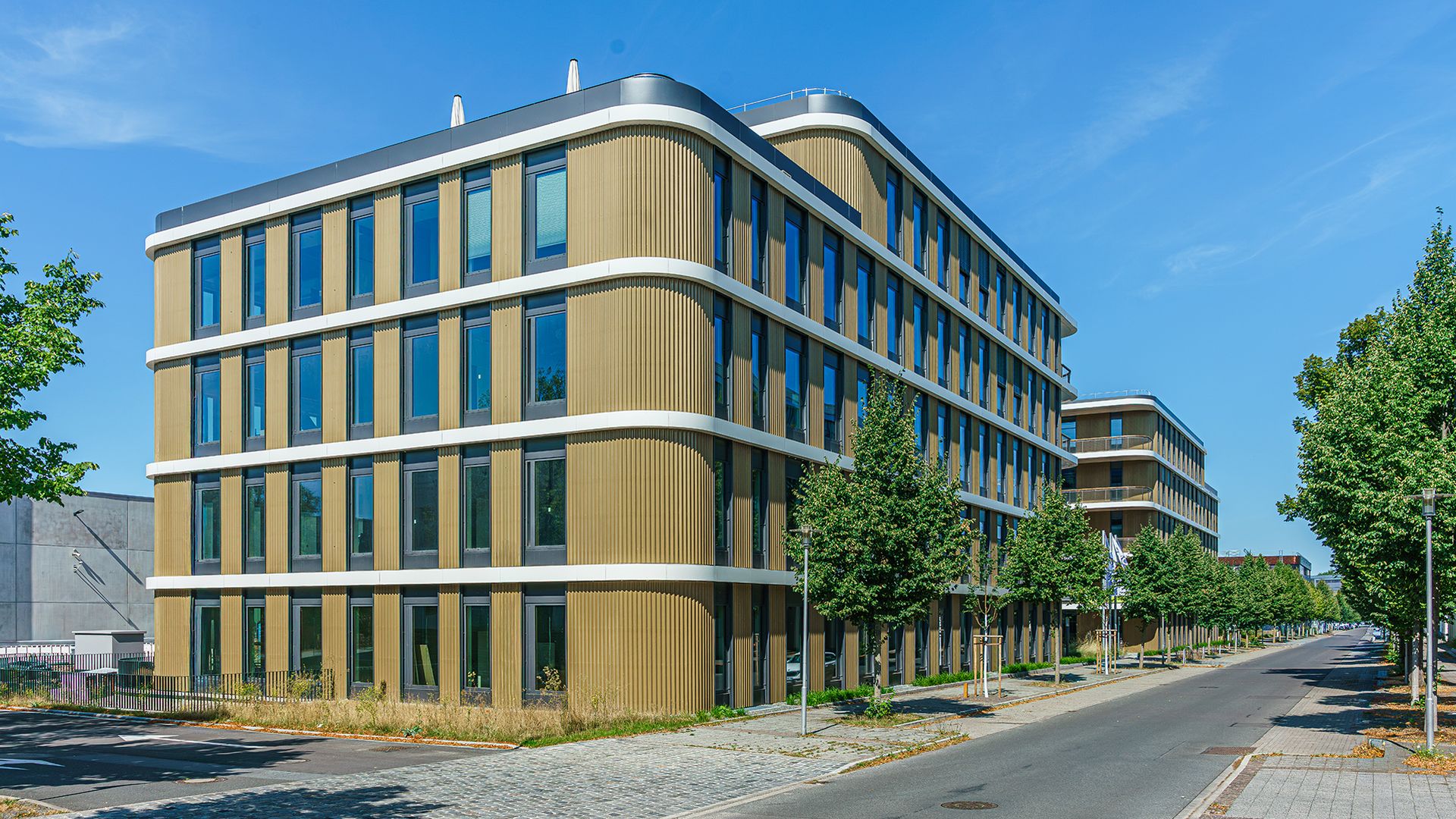
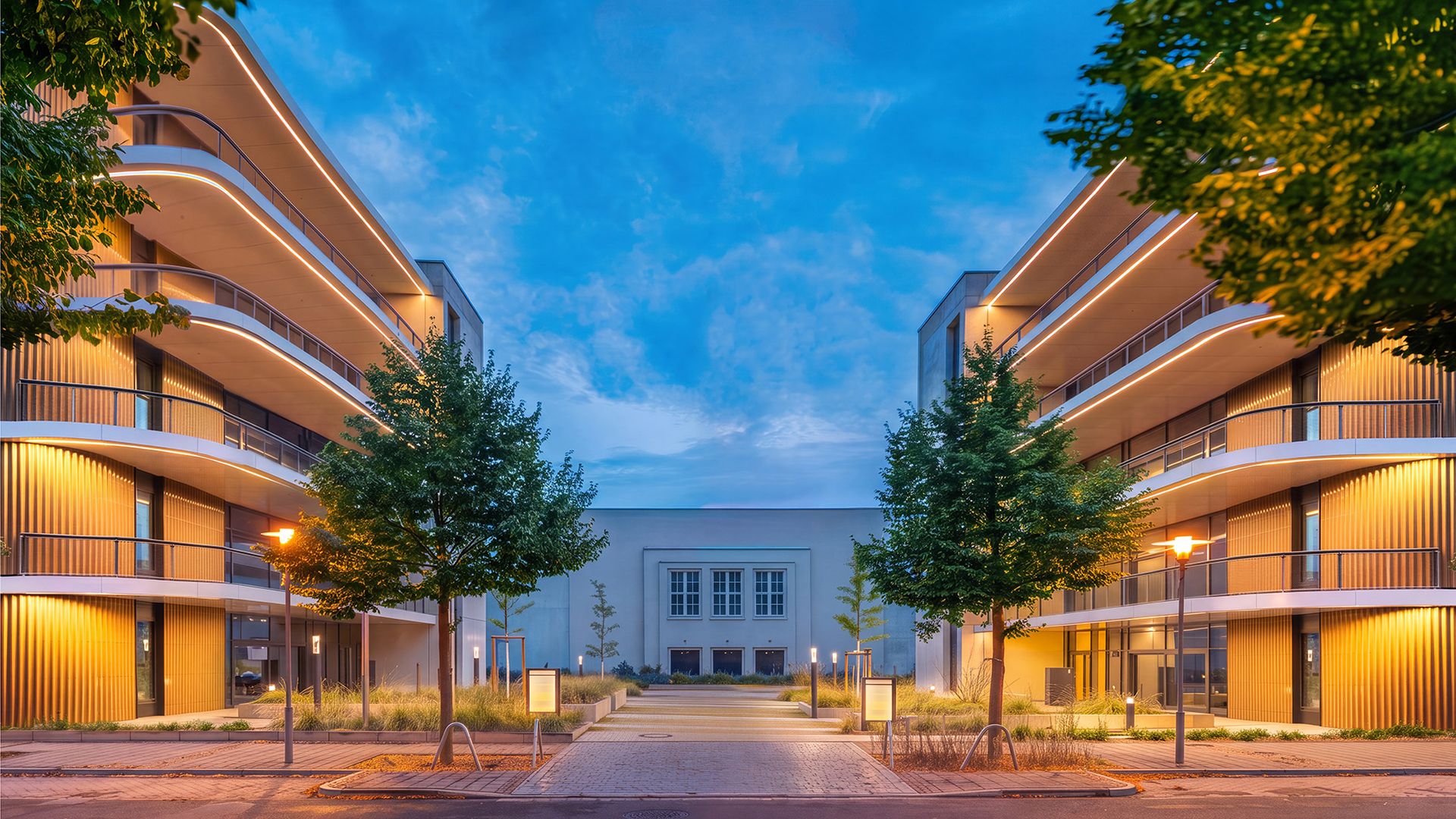
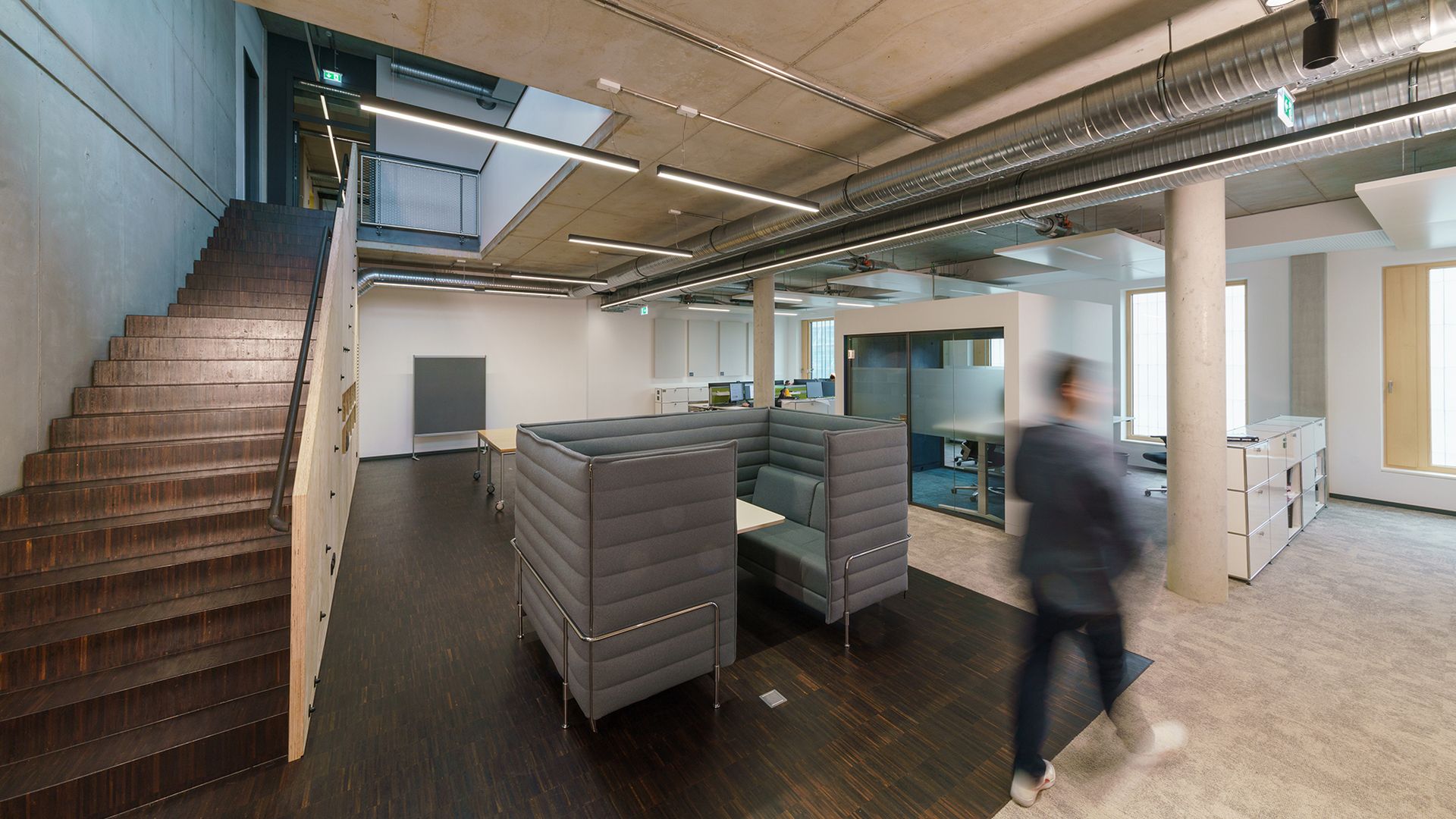
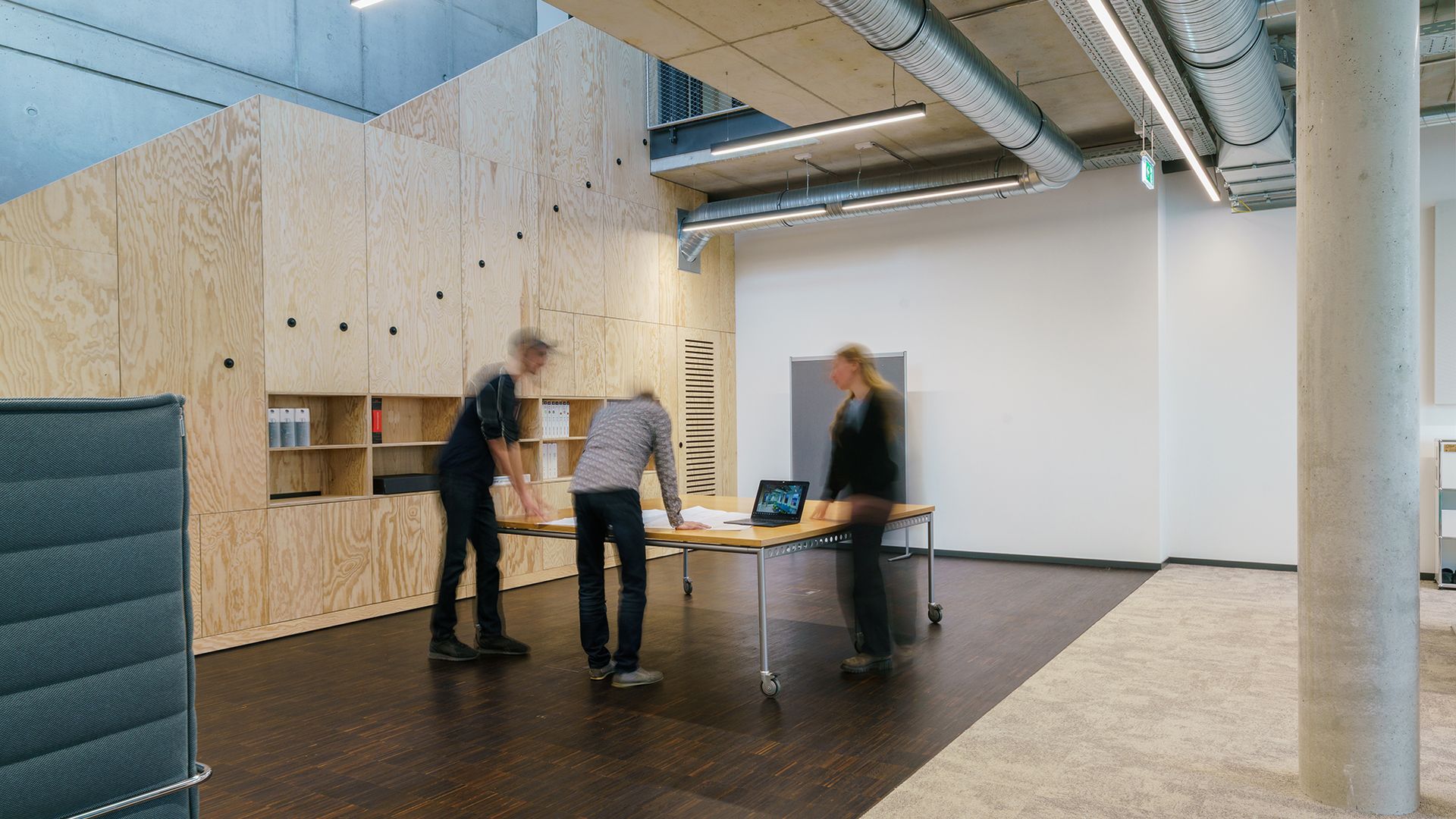
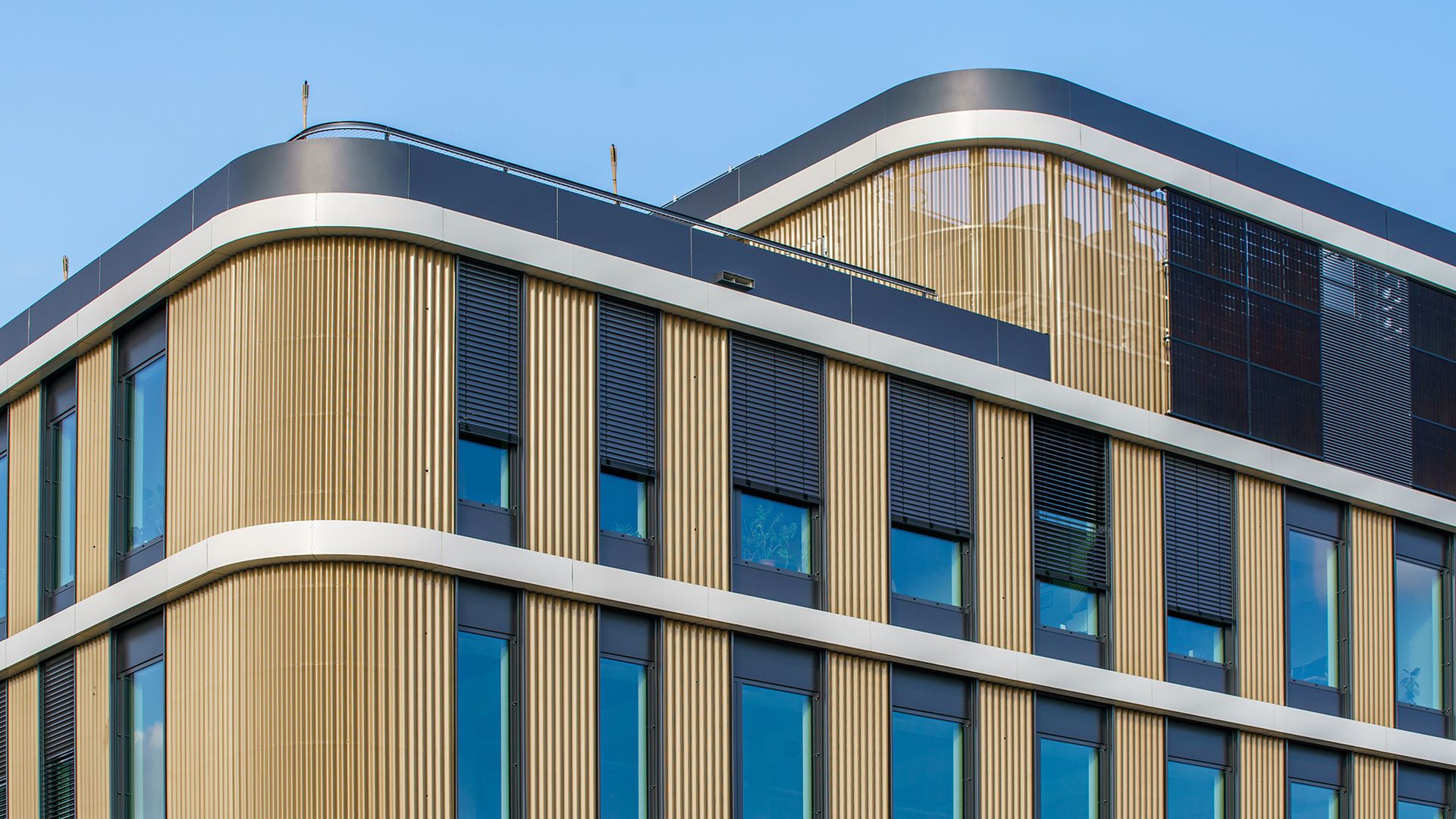
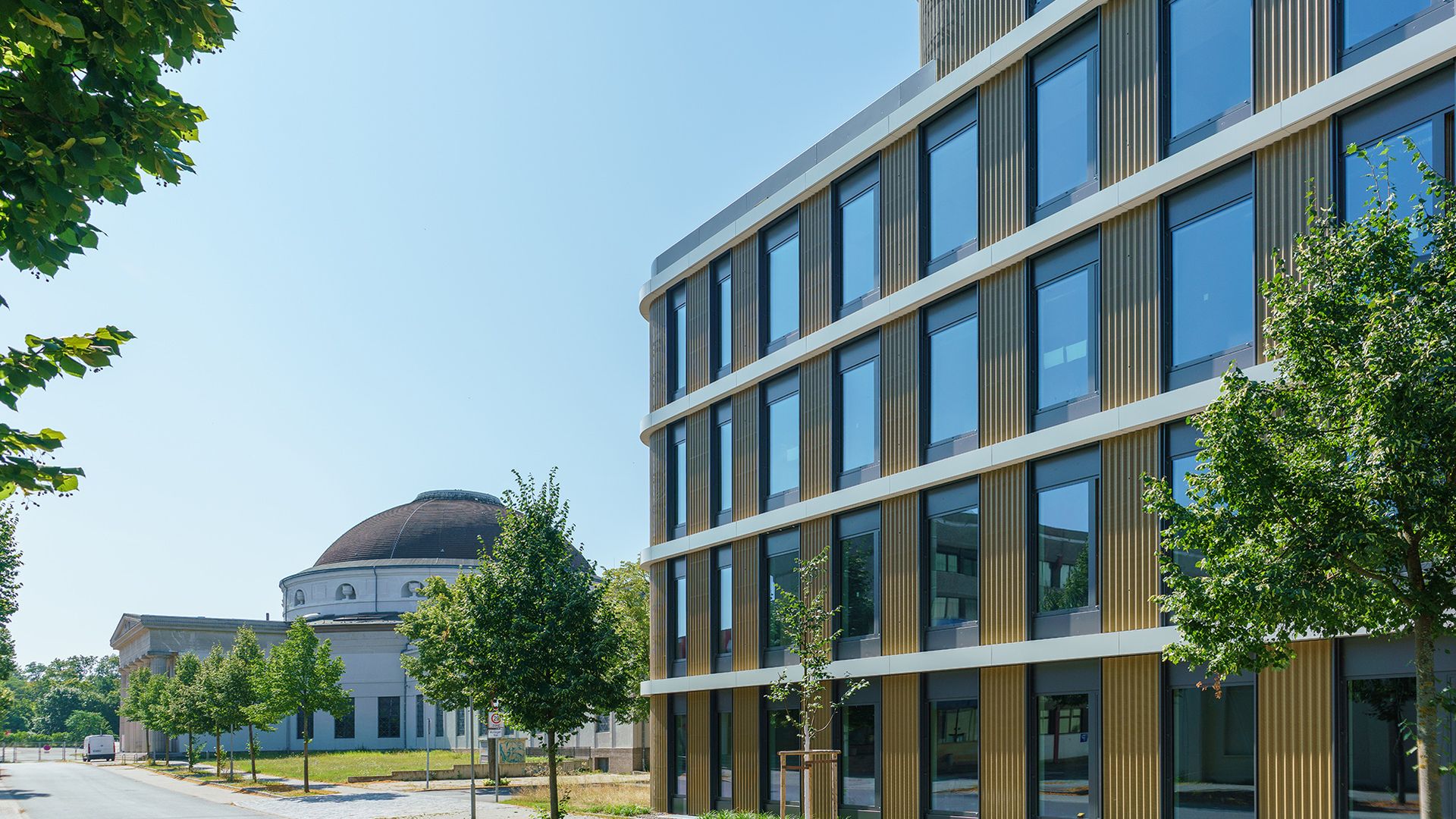
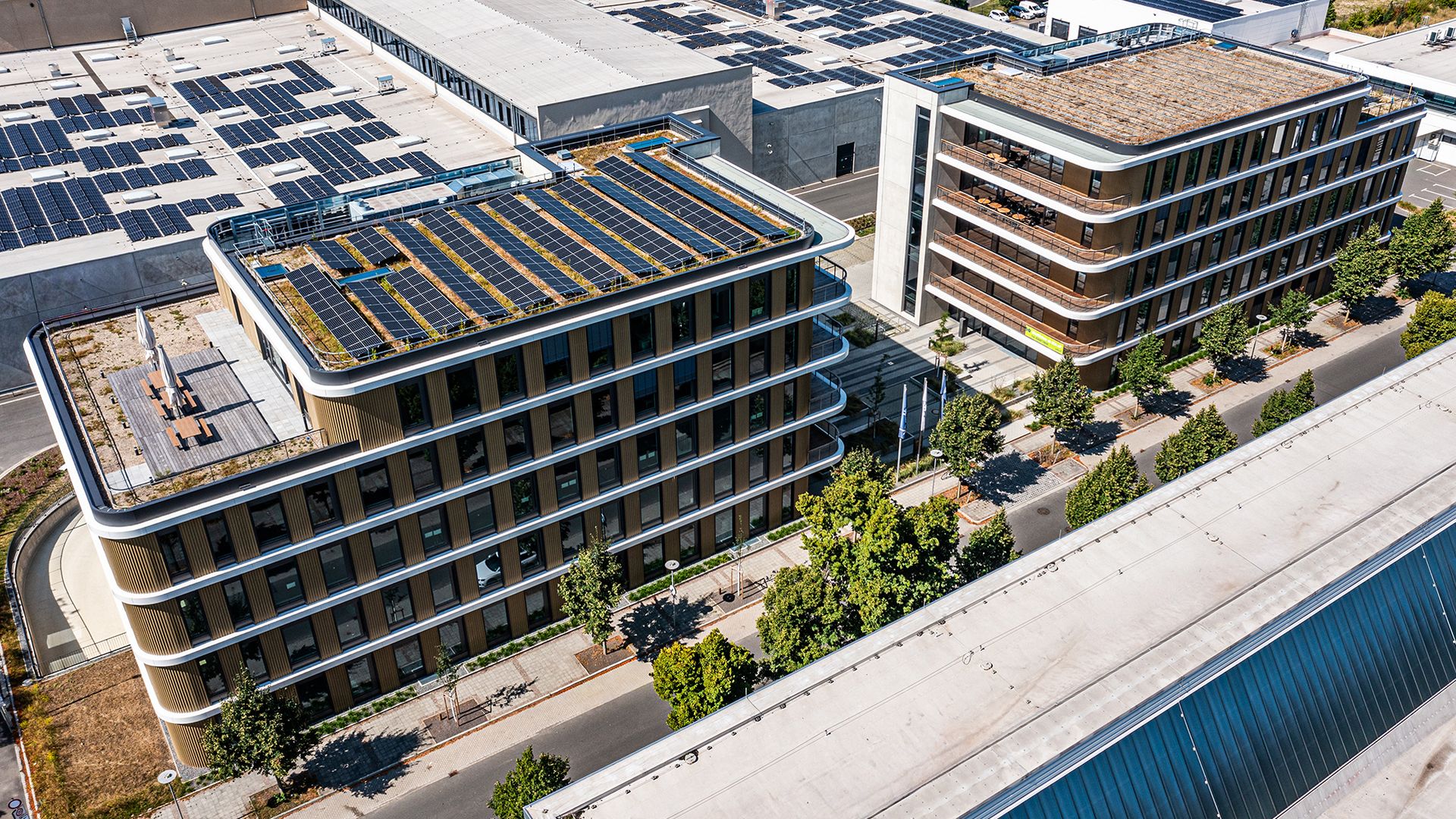
Located on the historic Leipzig Trade Fair grounds, CLL CityLab Leipzig offers approximately 8,600 square meters of modern office and laboratory space with rental units starting at 850 square meters and accommodating around 300 workplaces. The two five-story buildings, with ceiling heights of up to 3.60 meters, create a distinctive architectural presence both inside and out.
The project comprises two construction phases. Nine out of ten rental units have already been leased, and the first tenants have moved into their new premises. The final available unit offers 940 square meters of space.
Photos: Strom:Fotografie | Torsten Strom
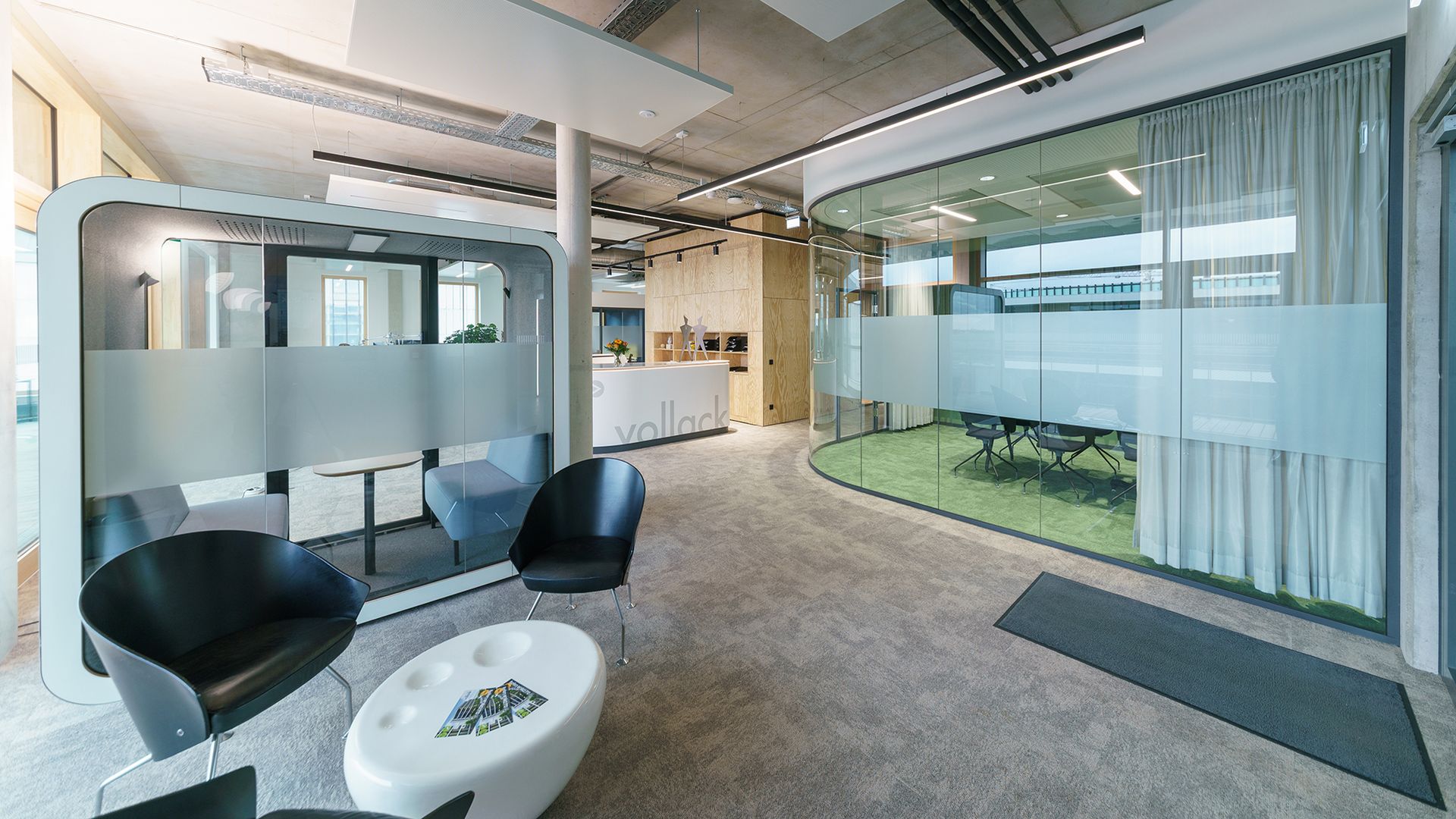
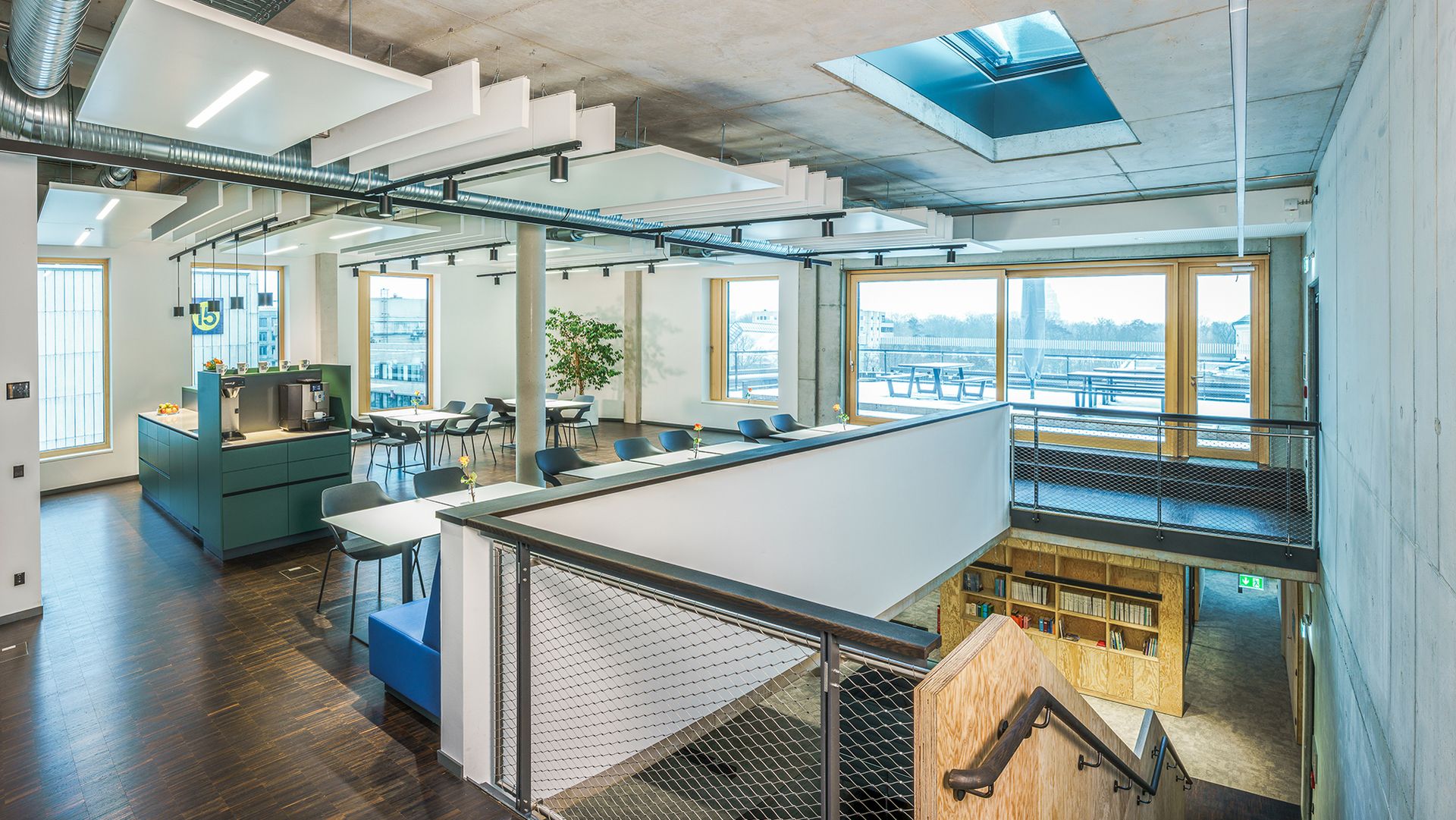
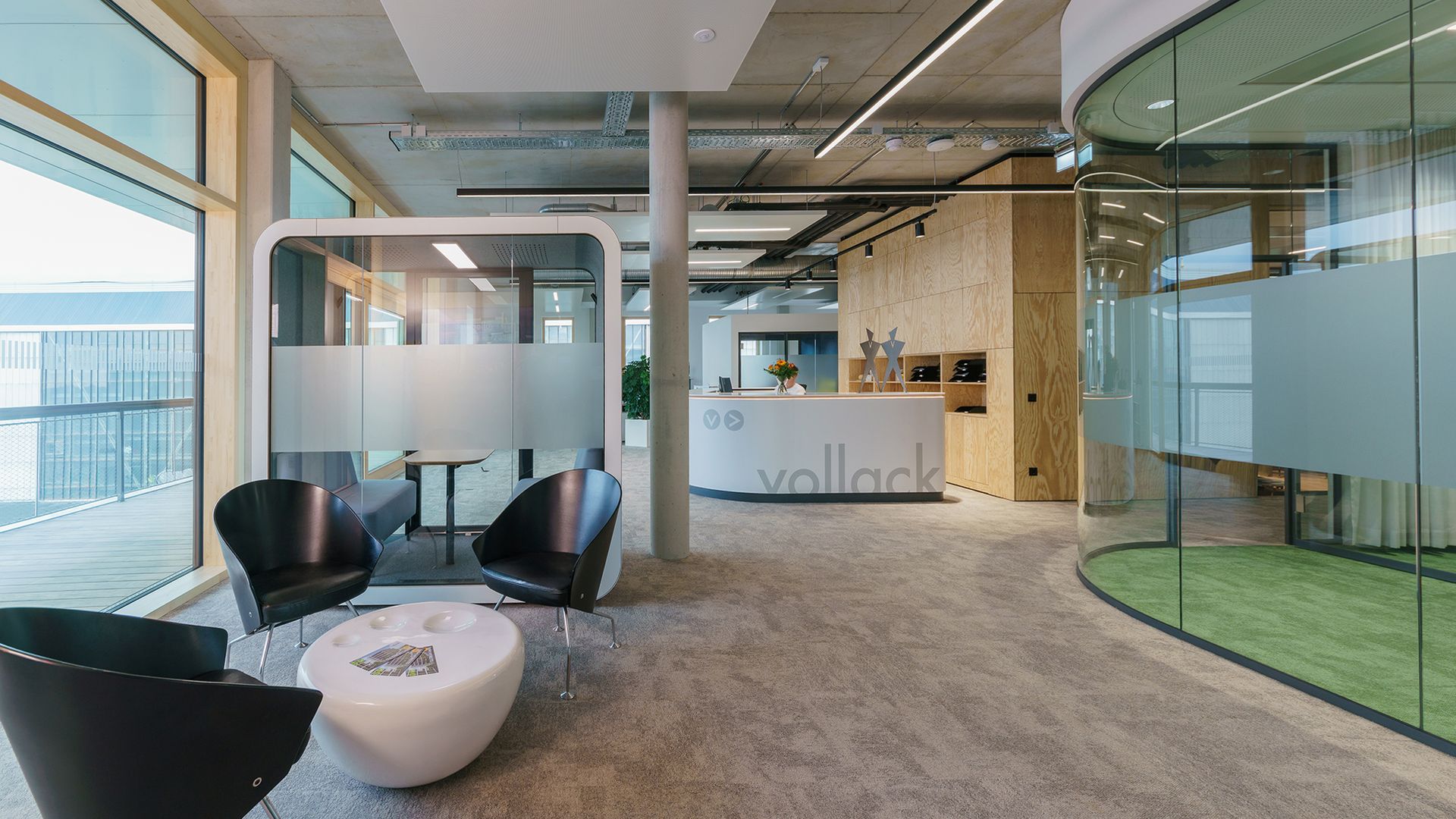
The premises support a wide range of workplace concepts, from structured laboratory environments to open office layouts with collaboration areas and retreat spaces. Layouts can be adapted to the individual processes and business models of each tenant. Outdoor areas provide opportunities for interaction, exchange, and informal encounters.
Inspiring neighborhood.
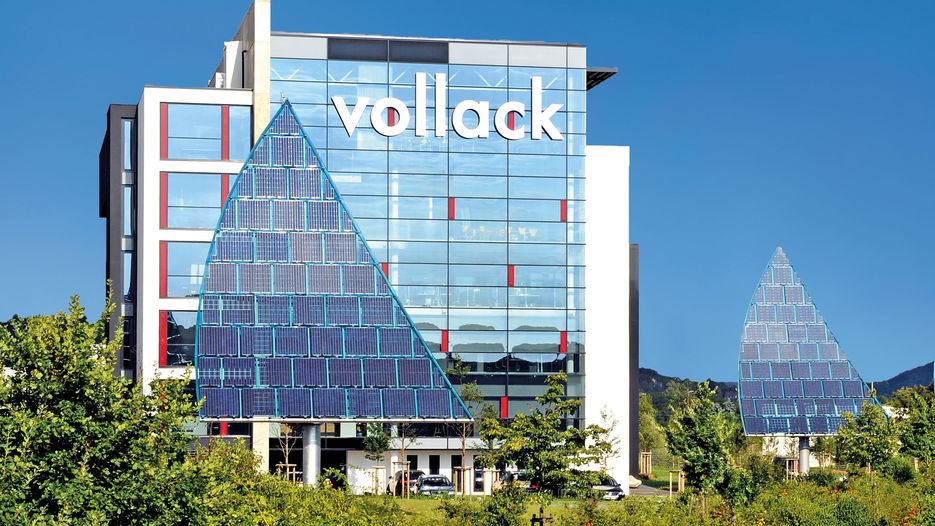
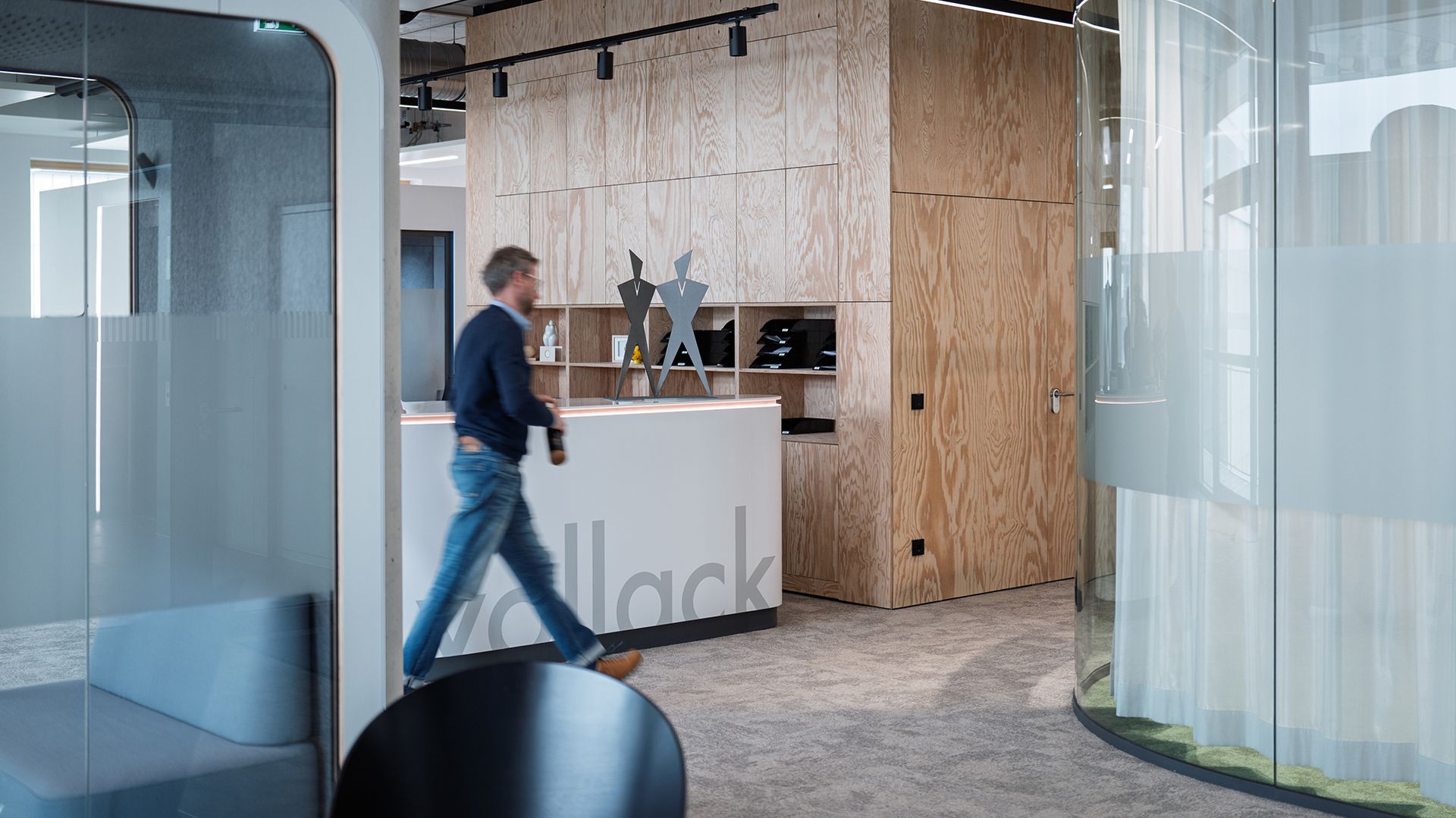
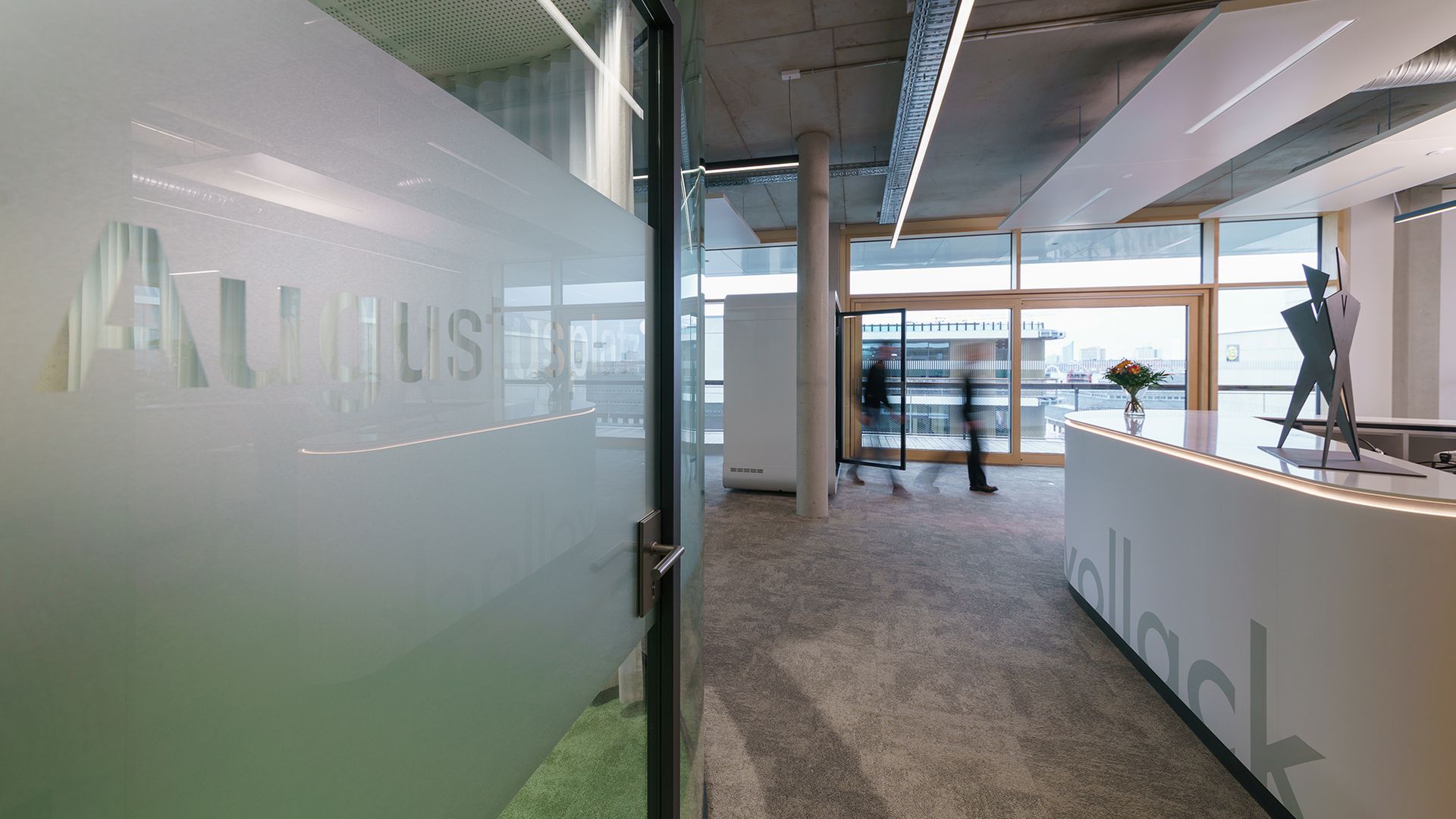
Key tenants include Health Innovators Group Leipzig and a major research center specializing in green chemistry. Vollack Sachsen has also relocated its office from Schkeuditz to Leipzig and has moved into its new workplace environment.
A Thoughtfully Designed Energy Concept.
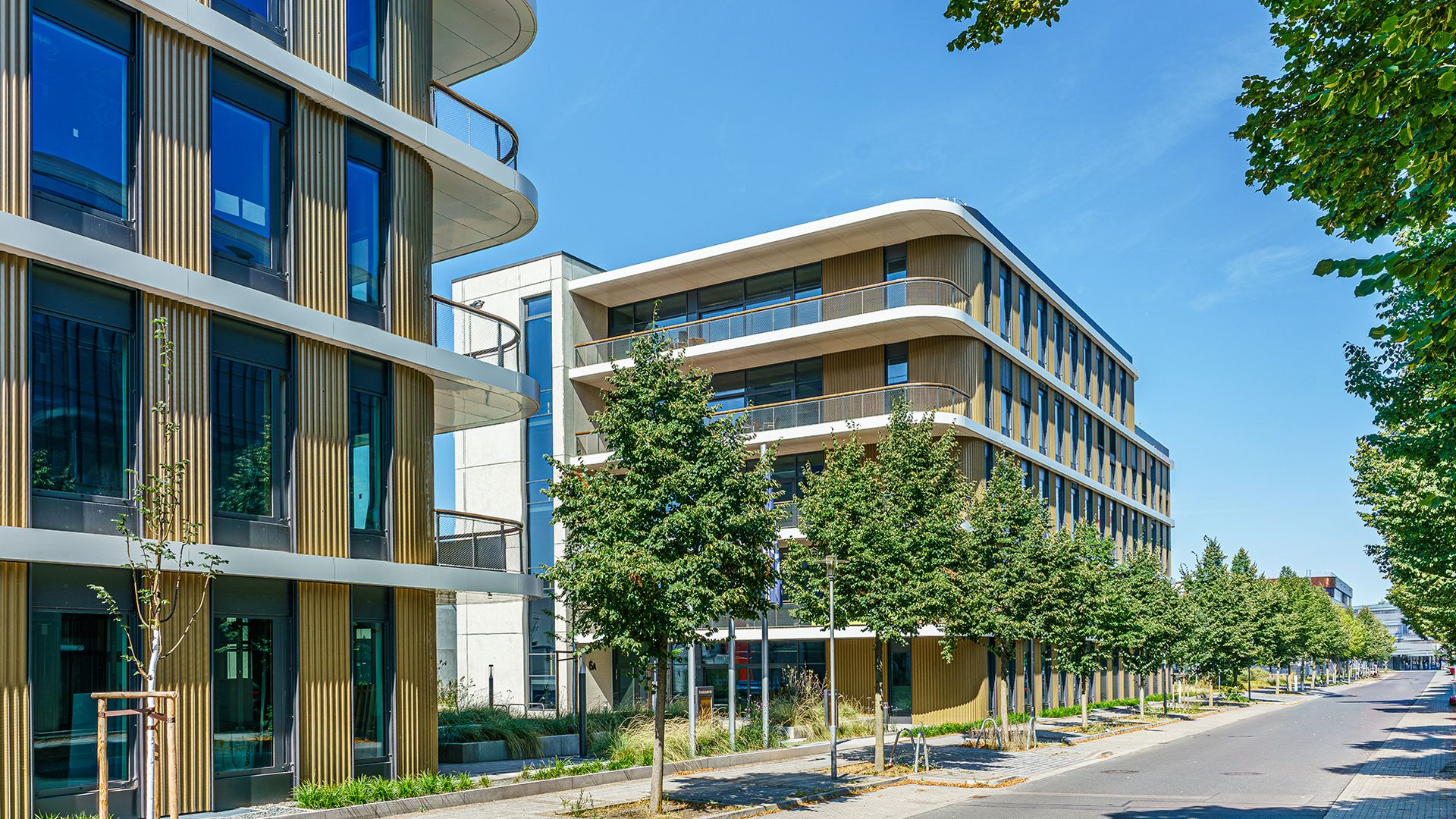
Designed to meet efficiency house standards, the building ensemble uses geothermal energy, heat pumps, and photovoltaic systems for its heating and energy supply. Planted retention roofs temporarily hold rainwater and support controlled stormwater management.
For the building materials and construction method, Vollack selected prefabricated timber façade elements. These support material-conscious construction and reduce on-site installation time. The use of the Cobiax voided slab system in the intermediate floors further reduces the amount of concrete required. An intelligent building automation system complements the energy concept and coordinates the building’s technical components.
The combination of the energy concept, material selection, and structural solutions makes the building ensemble a suitable reference project for accompanying research. A key focus is the relationship between investment costs and climate impact.